



สื่อสิ่งพิมพ์
-
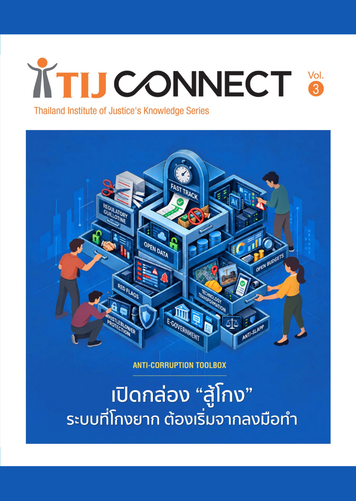
TIJ Connect Vol.3: ชุดองค์ความรู้ Anti-Corruption Toolbox เปิดกล่อง “สู้โกง” ระบบที่โกงยาก ต้องเริ่มจากลงมือทำ
จาก Vol.1 ที่ชวนมองคอร์รัปชันให้ลึกกว่าการจับ “คนโกง” สู่ Vol.2 ที่ชวนเปิดข้อมูล เพื่อให้ความโปร่งใสและการตรวจสอบเกิดขึ้นได้จริง วันนี้ TIJ Connect Vol.3 ชวนก้าวต่อจาก “รู้” และ “เห็น” ไปสู่ “การลงมือทำ” เพราะเราไม่ได้ขาดเครื่องมือ แต่ความท้าทายคือจะหยิบเครื่องมือที่มีมาใช้อย่างไรให้ตรงจุดและเกิดผลจริง TIJ Connect Vol.3 จึงชวนเปิด Anti-Corruption Toolbox สำรวจตั้งแต่ Regulatory Guillotine, Fast Track, Open Data, AI และ Red Flags ไปจนถึงโมเดลต่อต้านคอร์รัปชันจากทั่วโลก พร้อมมองอีกด้านที่สำคัญไม่แพ้กัน คือการสร้าง “เกราะคุ้มครอง” ให้คนที่กล้าใช้เครื่องมือ ผ่าน Whistleblower Protection และ Anti-SLAPP ก่อนปิดท้ายด้วย Action Checklist ที่ชวนทุกคนเริ่มลงมือจากสิ่งที่ทำได้ เพราะ “ระบบที่โกงยาก” ไม่ได้เกิดจากเครื่องมือที่ดีที่สุด แต่เกิดเมื่อเครื่องมือถูกหยิบมาใช้จริง

28 ก.ย. 2569
-
การประมาณการต้นทุนทางเศรษฐกิจของอาชญากรรมและความรุนแรงในประเทศไทย มุมมองด้านการเข้าถึงความยุติธรรม
รายงานฉบับนี้ให้ข้อมูลพื้นฐานสำหรับการทำความเข้าใจผลกระทบทางสังคมและเศรษฐกิจของอาชญากรรมในประเทศไทย รวมถึงความรุนแรงด้วยเหตุแห่งเพศและความรุนแรงทางเพศ ตลอดจนการตอบสนองของระบบงานกระบวนการยุติธรรมทางอาญา โดยวิเคราะห์ต้นทุนทางเศรษฐกิจของประเด็นดังกล่าวจากข้อมูลที่มีอยู่และจัดทำประมาณการต้นทุนเท่าที่สามารถทำได้ รายงานนำเสนอภาพรวมของกรอบวิธีวิทยาและผลการศึกษา รวมถึงรายละเอียดการประเมินต้นทุนและวิธีการประเมินมูลค่าในแต่ละหมวด และในตอนท้ายสุด นำเสนอข้อค้นพบที่เกี่ยวข้องเชิงนโยบาย พร้อมทั้งระบุช่องว่างขององค์ความรู้และแนวทางสำหรับการศึกษาวิจัยเพิ่มเติมในอนาคต
15 ก.ย. 2569
-
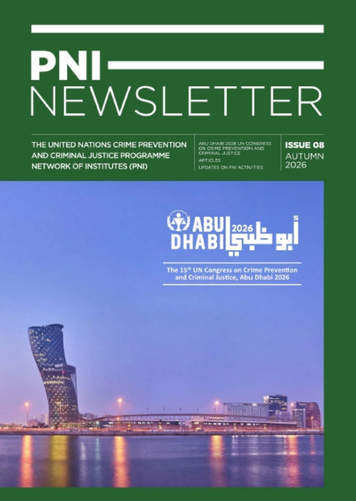
PNI Newsletter: Issue 8, Autumn 2026
This edition highlights PNI activities as we approach the 15th UN Crime Congress, to be held in Abu Dhabi from 26 September to 1 October 2026. Featured pieces include Getting the Most Out of the Fifteenth UN Crime Congress: The Basics of Life at UN Congresses by Matti Joutsen, alongside an interview with John Brandolino, former Director of the UNODC Division for Treaty Affairs. We also cover the four Congress Workshops to help prepare participants for the upcoming discussions in Abu Dhabi. Finally, a special feature honours Her Royal Highness Princess Bajrakitiyabha's contributions to the UN Crime Programme and the UN Crime Congress.
28 ส.ค. 2569
-
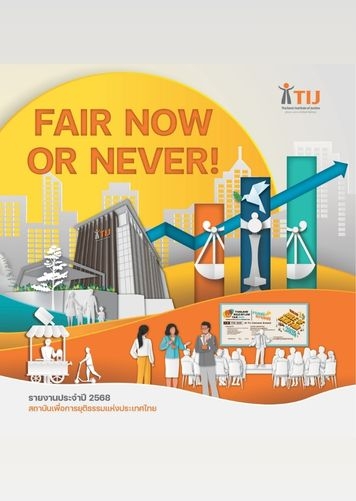
รายงานประจำปีงบประมาณ พ.ศ. 2568
ในขณะที่ประเทศไทยต้องเร่งฟื้นฟูเศรษฐกิจและยกระดับขีดความสามารถในการแข่งขันของประเทศ การลงทุนในหลักนิติธรรมเป็นหัวใจสำคัญที่เราไม่อาจรอได้อีกต่อไป “Fair Now or Never!” ตลอดปีงบประมาณ พ.ศ. 2568 TIJ จึงมุ่งขับเคลื่อนภารกิจเพื่อเสริมสร้างหลักนิติธรรม ผ่านการสร้างความตระหนักรู้ในสังคม การเปิดพื้นที่ให้ประชาชนและภาคีเครือข่ายเข้ามามีส่วนร่วม การขยายโอกาสให้กลุ่มเปราะบางเข้าถึงความยุติธรรมได้อย่างเท่าเทียม และการเชื่อมโยงความร่วมมือระดับภูมิภาคและนานาชาติ เพื่อพัฒนาระบบยุติธรรมที่โปร่งใส เป็นธรรม และตอบสนองต่อความต้องการของประชาชนได้มากขึ้น
26 ส.ค. 2569
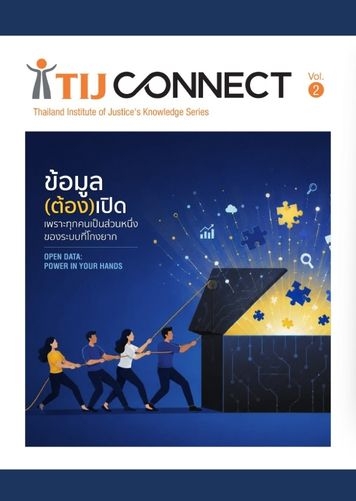
TIJ Connect Vol.2: ชุดองค์ความรู้ Open Data ข้อมูล (ต้อง) เปิด เพราะทุกคนเป็นส่วนหนึ่งของระบบที่โกงยาก
"TIJ CONNECT Vol. 2 ชวนผู้อ่านสำรวจบทบาทของ “ข้อมูลเปิด” (Open Data) ในฐานะเครื่องมือสำคัญของการสร้างความโปร่งใส การมีส่วนร่วมของประชาชน และการออกแบบระบบที่โกงได้ยากขึ้น ภายในเล่มพบกับ พลังของข้อมูลเปิดที่ช่วยประหยัดงบประมาณแผ่นดินได้จริงถึง 5-6% นวัตกรรม Civic Tech และเครื่องมือตรวจสอบภาคประชาชนที่ใช้งานได้ทันที รวมถึงก้าวสำคัญของไทยสู่มาตรฐานรัฐบาลเปิดระดับโลก (OGP) และการผลักดันกฎหมาย PRTR เพื่อสิทธิสิ่งแวดล้อม พร้อมถอดบทเรียนจากเอสโตเนีย เคนยา และเกาหลีใต้ ที่ใช้ข้อมูลเปิด เทคโนโลยี และการมีส่วนร่วมของประชาชนในการยกระดับความโปร่งใสของภาครัฐ ที่พิสูจน์ว่าการสร้างรัฐบาลเปิดและสังคมที่ตรวจสอบได้ไม่ใช่เรื่องที่สำเร็จในชั่วข้ามคืน แต่เป็นกระบวนการที่ต้องอาศัยความร่วมมือและการพัฒนาอย่างต่อเนื่อง

หน่วยงานผู้จัดทำ : TIJ
เผยแพร่วันที่ : มิถุนายน 2569
สรุปรายงานผลการสำรวจความคิดเห็นประกอบการทบทวนและปรับปรุงประมวลกฎหมายแพ่งและพาณิชย์
สรุปรายงานผลการสำรวจความคิดเห็นประกอบการทบทวนและปรับปรุงประมวลกฎหมายแพ่งและพาณิชย์ ภาคเหนือ ภาคใต้ ภาคตะวันออกเฉียงเหนือ ภาคกลาง ภาคตะวันออก และภาคตะวันตก รายงานฉบับนี้จัดทำขึ้นเพื่อสรุปผลการสำรวจความคิดเห็นจากประชาชน นักกฎหมาย และผู้ปฏิบัติงานในพื้นที่ต่าง ๆ ทั่วประเทศ ประกอบการทบทวนและปรับปรุงประมวลกฎหมายแพ่งและพาณิชย์ โดยรวบรวมประเด็นปัญหา ข้อสังเกต และข้อเสนอแนะที่สะท้อนจากประสบการณ์จริงของประชาชนในแต่ละภูมิภาค เพื่อนำไปสู่การพัฒนากฎหมายเอกชนให้สอดคล้องกับบริบททางสังคม เศรษฐกิจ และวิถีชีวิตของประชาชนในปัจจุบันมากยิ่งขึ้น ทั้งนี้ รายงานฉบับดังกล่าวเป็นส่วนหนึ่งของกระบวนการรับฟังความคิดเห็นประกอบการทบทวนและปรับปรุงประมวลกฎหมายแพ่งและพาณิชย์ ซึ่งต่อมาได้รับการพัฒนาและจัดทำเป็นหนังสือเผยแพร่ในชื่อ “โลกเปลี่ยนไป กฎหมายไทยต้องปรับตัว ตอน กฎหมายแพ่งและพาณิชย์” ที่ได้รับการตีพิมพ์และลงใน TIJ Publication ไปแล้วก่อนหน้านี้
หน่วยงานผู้จัดทำ : สถาบันเพื่อการยุติธรรมแห่งประเทศไทย (TIJ), สภาทนายความ ในพระบรมราชูปถัมภ์, Baker McKenzie Thai CCA, คณะนิติศาสตร์ มหาวิทยาลัยเชียงใหม่ มหาวิทยาลัยขอนแก่น มหาวิทยาลัยธรรมศาสตร์ และสำนักวิชานิติศาสตร์ มหาวิทยาลัยวลัยลักษณ์
เผยแพร่วันที่ : มิถุนายน 2569
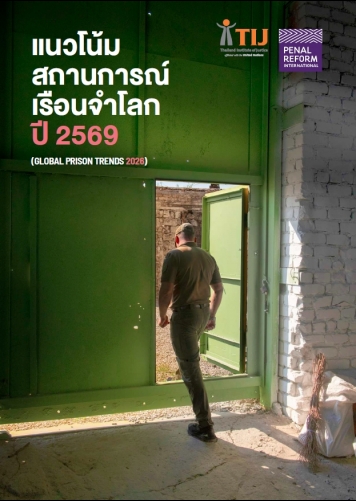
แนวโน้มสถานการณ์เรือนจำโลก ปี 2569
รายงานแนวโน้มสถานการณ์เรือนจำโลก ประจำปี 2569 จัดทำขึ้นโดยความร่วมมือระหว่าง Penal Reform International และสถาบันเพื่อการยุติธรรมแห่งประเทศไทย (TIJ) เพื่อนำเสนอภาพรวมสถานการณ์เรือนจำทั่วโลกในปัจจุบัน โดยในฉบับนี้ชี้ให้เห็นว่าระบบเรือนจำกำลังเผชิญวิกฤตและความตึงเครียดอย่างหนักจาก 3 ปัญหาหลัก ได้แก่ ผลกระทบจากสถานการณ์ความขัดแย้ง ปัญหาประชากรผู้ต้องขังแออัดล้นเรือนจำ และความไม่เท่าเทียมที่เกิดขึ้นภายในระบบ อย่างไรก็ดี รายงานยังได้เสนอแนวทางปฏิรูปและบรรเทาปัญหาอุบัติใหม่เหล่านี้ ด้วยการนำนวัตกรรมเทคโนโลยีมาช่วยปรับปรุงการบริหารจัดการ ควบคู่ไปกับการผลักดันมาตรการทางเลือกแทนการคุมขัง เพื่อลดความแออัดและสร้างระบบยุติธรรมที่ยั่งยืนยิ่งขึ้นด้วย
หน่วยงานผู้จัดทำ : TIJ, PRI
เผยแพร่วันที่ : พฤษภาคม 2569

โครงการออกแบบและพัฒนาผลิตภัณฑ์ผู้ต้องขัง มหาวิทยาลัยราชภัฎสวนสุนันทา 2569
Through the Wall เป็นโครงการออกแบบและพัฒนาผลิตภัณฑ์ผู้ต้องขังผ่านการสร้างสรรค์โดยเยาวชน ที่ได้รับการสนับสนุนจากสถาบันเพื่อการยุติธรรมแห่งประเทศไทย (TIJ) สำนักงานว่าด้วยยาเสพติดและอาชญากรรมแห่งสหประชาชาติ (UNODC) และคณะศิลปกรรมศาสตร์ มหาวิทยาลัยราชภัฎสวนสุนันทา เพื่อยกระดับผลิตภัณฑ์ฝีมือผู้ต้องขัง โดยมุ่งเน้นการพัฒนาการออกแบบและกลยุทธ์การตลาดที่ทันสมัยเพื่อสร้างโอกาสในการกลับคืนสู่สังคมของผู้ต้องขังอย่างยั่งยืน
หน่วยงานผู้จัดทำ : TIJ
เผยแพร่วันที่ : เมษายน 2569
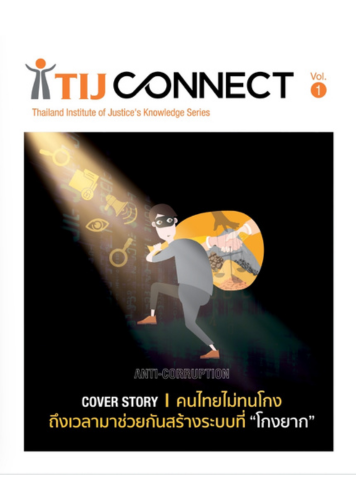
TIJ Connect Vol.1: ชุดองค์ความรู้ ANTI-CORRUPTION! คนไทยไม่ทนโกง ถึงเวลามาช่วยกันสร้างระบบที่โกงยาก
TIJ CONNECT คือชุดองค์ความรู้ในรูปแบบ e-book ที่ชวนสำรวจและเชื่อมโยงประเด็นสำคัญที่สังคมกำลังเผชิญ เข้ากับโลกของนโยบายและการปฏิบัติที่เกิดขึ้นจริง ถ่ายทอดผ่านข้อมูล องค์ความรู้ สถิติ ข้อเท็จจริง และนวัตกรรม พร้อมบทสนทนากับผู้มีประสบการณ์ตรง นักปฏิบัติ และผู้ที่มีบทบาทในการขับเคลื่อนหรือกำหนดทิศทางของประเด็นนั้น ๆ เพื่อเปิดมุมมองใหม่และชวนสังคมร่วมคิดต่อไปข้างหน้า ประเดิมเล่มแรก TIJ CONNECT Vol.1 : ANTI-CORRUPTION! คนไทยไม่ทนโกง ถึงเวลามาช่วยกันสร้างระบบที่โกงยาก และสามารถติดตาม TIJ Connect Vol. 2 เล่มต่อไป Open Data ได้ที่นี่
หน่วยงานผู้จัดทำ : TIJ
เผยแพร่วันที่ : มีนาคม 2569
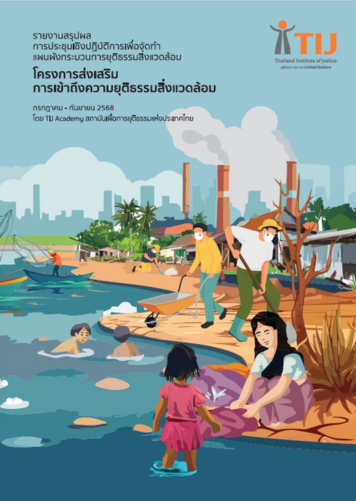
รายงานสรุปผลการประชุมเชิงปฏิบัติการเพื่อจัดทําแผนผังกระบวนการยุติธรรมสิ่งแวดล้อม โครงการส่งเสริมการเข้าถึงความยุติธรรมสิ่งแวดล้อม
รายงานสรุปผลการประชุมเชิงปฏิบัติการเพื่อจัดทำแผนผังกระบวนการยุติธรรมสิ่งแวดล้อม โครงการส่งเสริมการเข้าถึงความยุติธรรมสิ่งแวดล้อม (กรกฎาคม - กันยายน 2568) จัดทำขึ้นโดย TIJ Academy หน่วยงานในกำกับของสถาบันเพื่อการยุติธรรมแห่งประเทศไทย (TIJ) ที่ได้จัดทำหลักสูตรความยุติธรรมสิ่งแวดล้อมและสิทธิมนุษยชน การพัฒนาองค์ความรู้ด้านยุติธรรมสิ่งแวดล้อม และการจัดเวทีสัมมนาความร่วมมือในประเทศไทยและภูมิภาคเอเชียตะวันออกเฉียงใต้ เพื่อเสริมศักยภาพผู้ปฏิบัติงานในกระบวนการยุติธรรมและเครือข่ายที่เกี่ยวข้องกับกระบวนการยุติธรรม โดยเฉพาะการลดช่องว่างการเข้าถึงความยุติธรรมจากปัญหาสิ่งแวดล้อม ได้แก่ การจัดการทรัพยากรธรรมชาติ มลพิษ การเปลี่ยนแปลงสภาพภูมิอากาศ ที่ล้วนส่งผลกระทบร้ายแรงต่อสุขภาพ ความปลอดภัย วิถีชุมชน และระบบนิเวศ จากการจัดทำหลักสูตร การประชุมฯ ตลอดจนการประชุมเชิงปฏิบัติการเพื่อจัดทำแผนผังกระบวนการยุติธรรมสิ่งแวดล้อม (Workshop on Environmental Justice) นำมาสู่การจัดทำรายงานฉบับนี้เพื่อรวบรวมองค์ความรู้พื้นฐาน ปัญหาอุปสรรค แนวปฏิบัติที่ดี และข้อเสนอแนะเกี่ยวกับกระบวนการยุติธรรมสิ่งแวดล้อมอย่างเป็นระบบ อันเป็นการประมวลผลจากผลการประชุมปฏิบัติการและโครงการส่งเสริมการเข้าถึงความยุติธรรมสิ่งแวดล้อม และการจัดการประชุมเชิงปฏิบัติการและรับฟังความคิดเห็น TIJ หวังว่ารายงานฉบับนี้จะเป็นประโยชน์เพื่อประสานความร่วมมือระหว่างเครือข่ายผู้ปฏิบัติงานด้านยุติธรรมสิ่งแวดล้อมของประเทศไทยต่อไป
หน่วยงานผู้จัดทำ : TIJ
เผยแพร่วันที่ : มีนาคม 2569

