




Reducing reoffending requires more than policies and programmes — it requires collective action. At the recent Kyoto Model Strategies symposium, TIJ shared how partnerships across sectors can transform principles into meaningful practice.
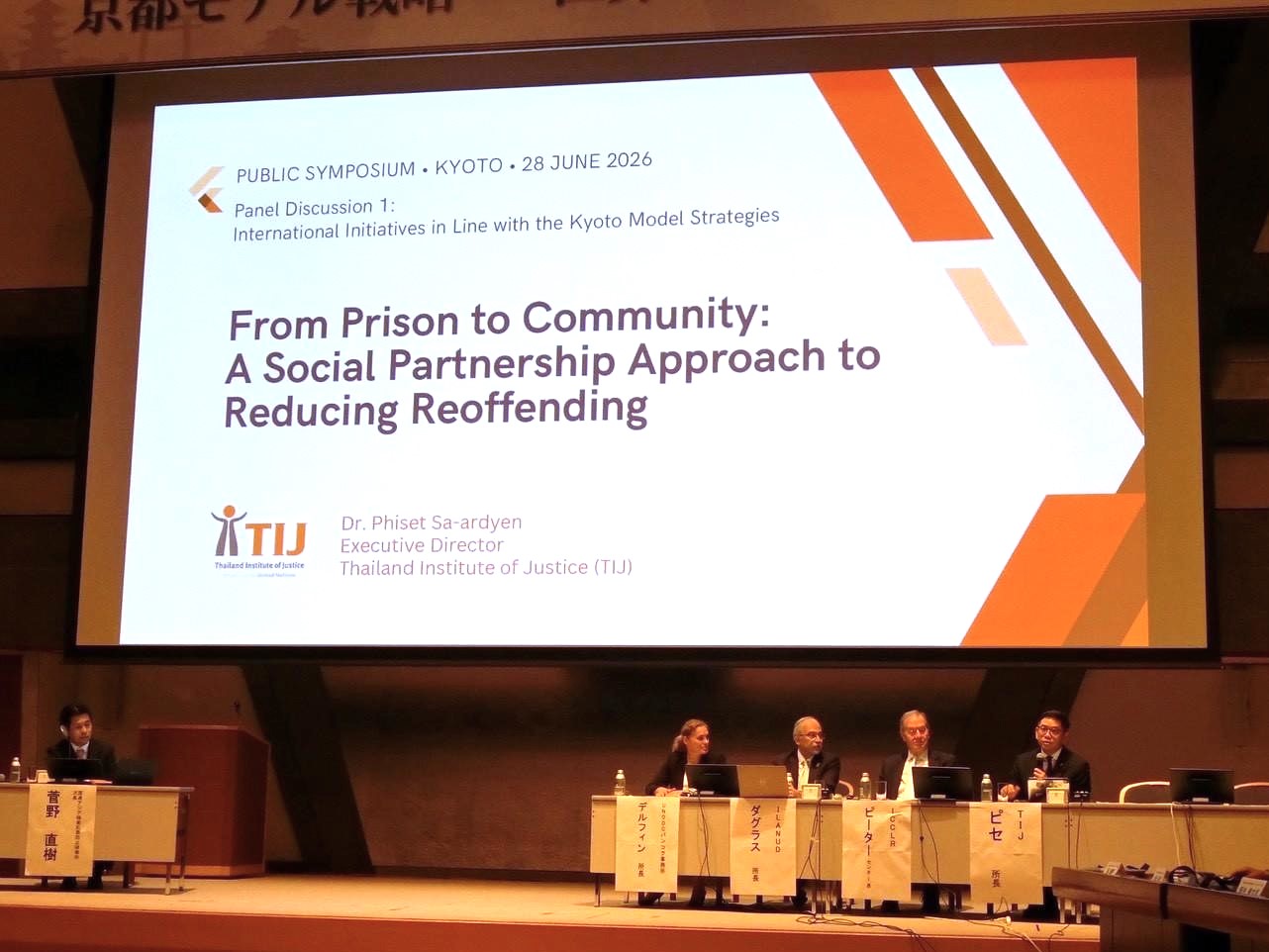
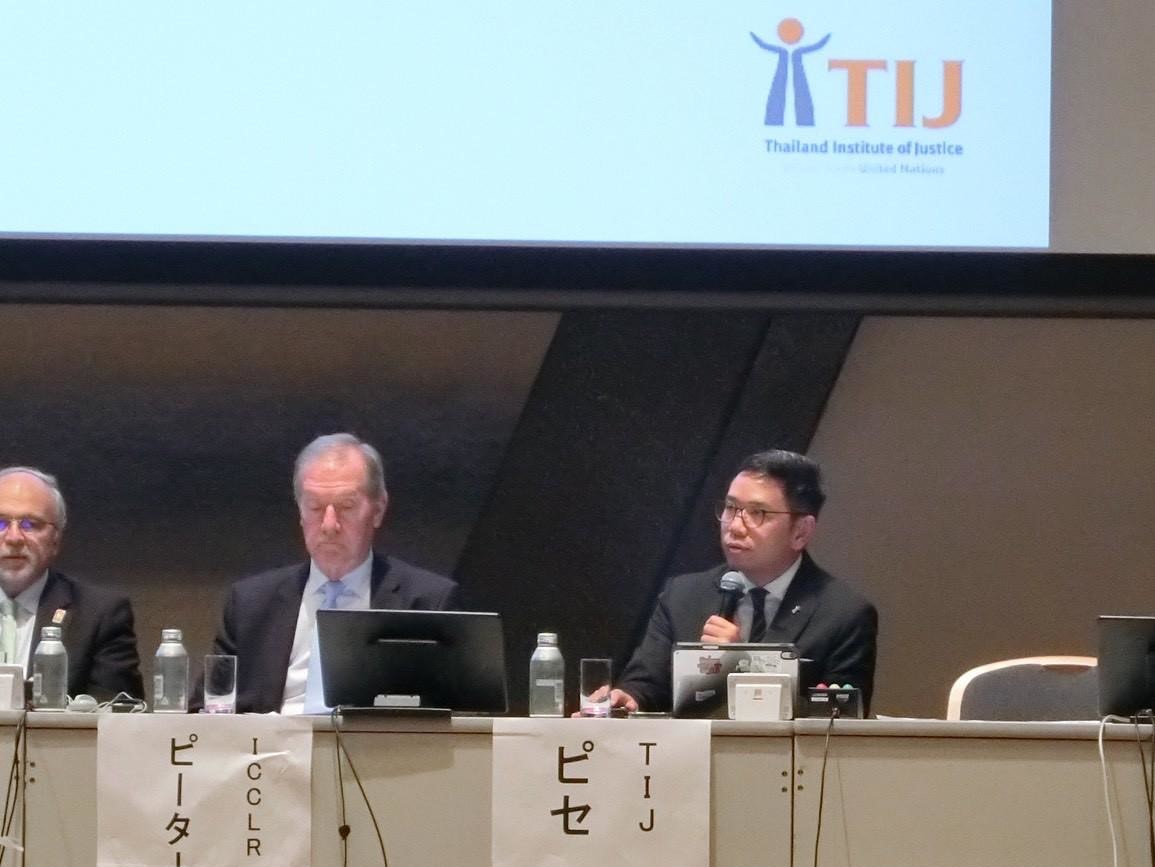
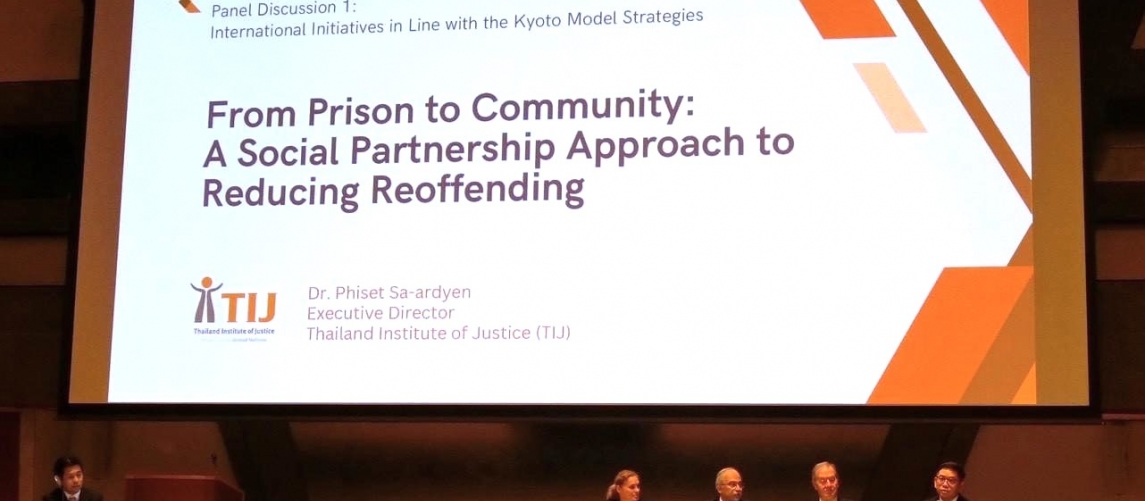
Dr. Phiset Sa-ardyen, Executive Director of TIJ, joined the Public Symposium on “Kyoto Model Strategies: Sharing Global Perspectives on Reducing Reoffending”, co-organised by the Ministry of Justice of Japan, the United Nations Asia and Far East Institute for the Prevention of Crime and the Treatment of Offenders (UNAFEI), and the General Incorporated Association Criminal Justice and Welfare Forum OASYS, with support from the Asia Crime Prevention Foundation, on 28 June 2026 in Kyoto, Japan.
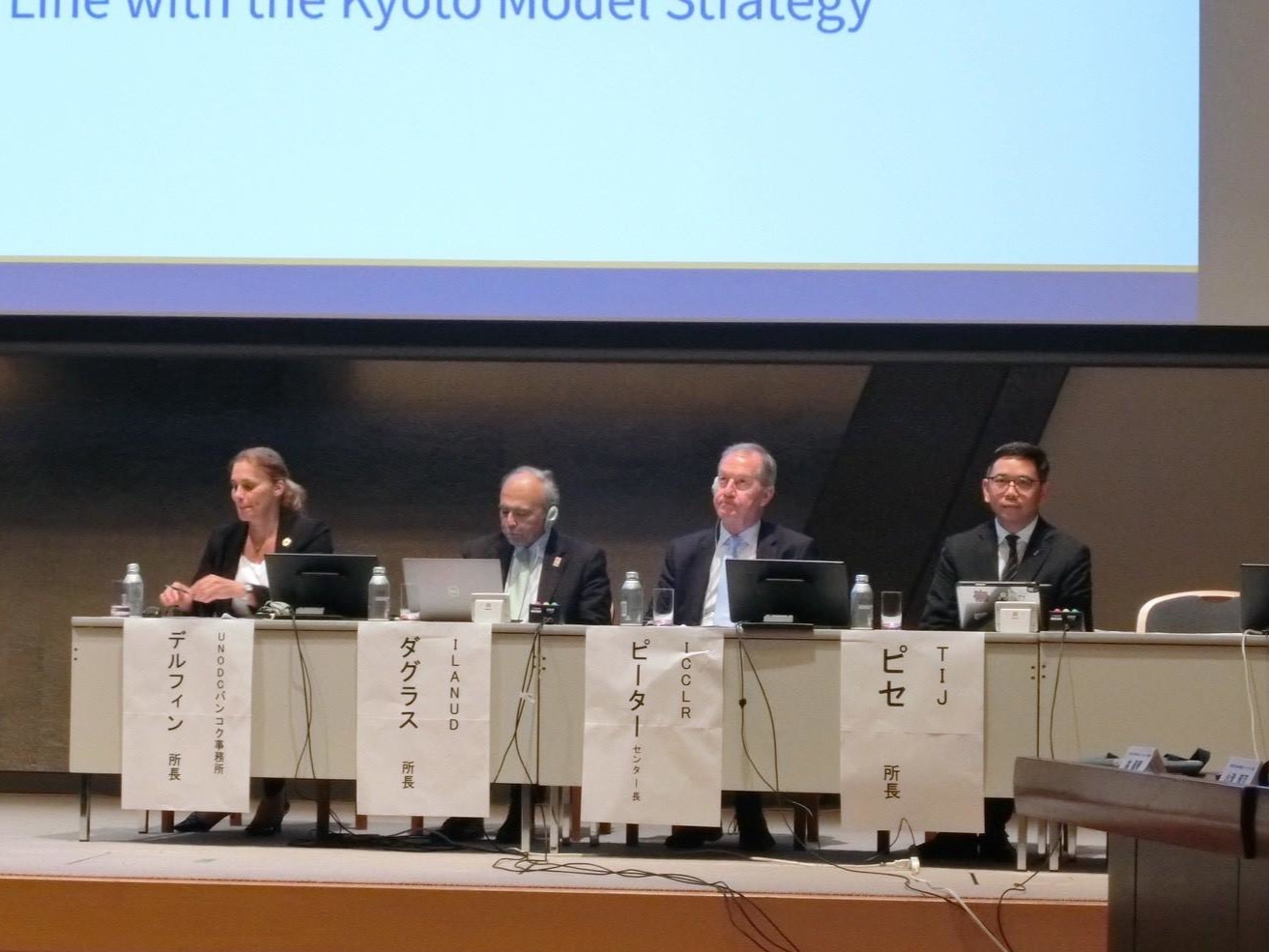
The symposium brought together policymakers, practitioners, advocates, and experts from the United Nations Crime Prevention and Criminal Justice Programme Network (PNI) to raise awareness of the Kyoto Model Strategies and exchange perspectives on current challenges, good practices, and future directions in reducing reoffending.
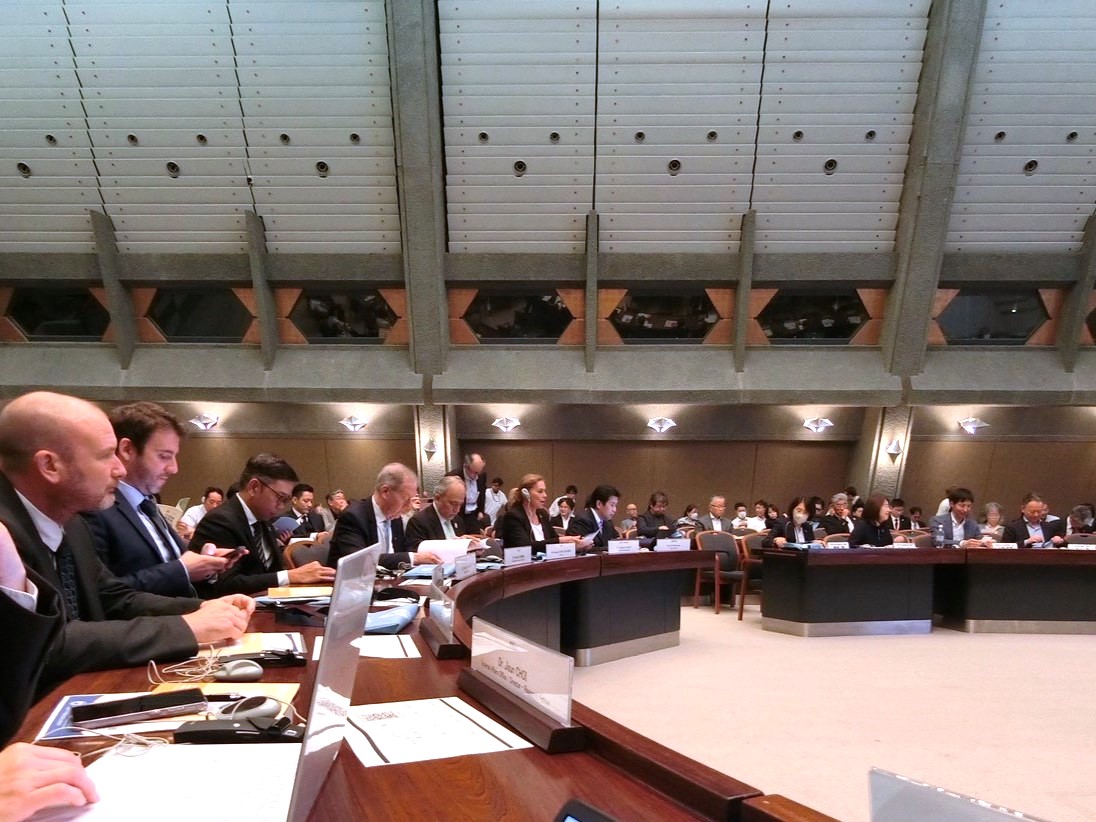
As a panellist in the session on international initiatives aligned with the Kyoto Model Strategies, Dr. Phiset shared TIJ’s initiative, “Restart Academy” — a registered social enterprise supporting the reintegration of formerly incarcerated individuals through a whole-of-society approach. He highlighted how the initiative reflects the shared principles of the Kyoto Model Strategies and the Bangkok Rules, recognising that reducing reoffending requires continuous support from custody to community and meaningful engagement from society. Successful reintegration cannot be achieved by any single institution alone. It requires an ecosystem built on collective action across sectors, with support beginning before release and continuing throughout the transition from custody to community. It also requires evidence and evaluation to identify what works and scale effective approaches..
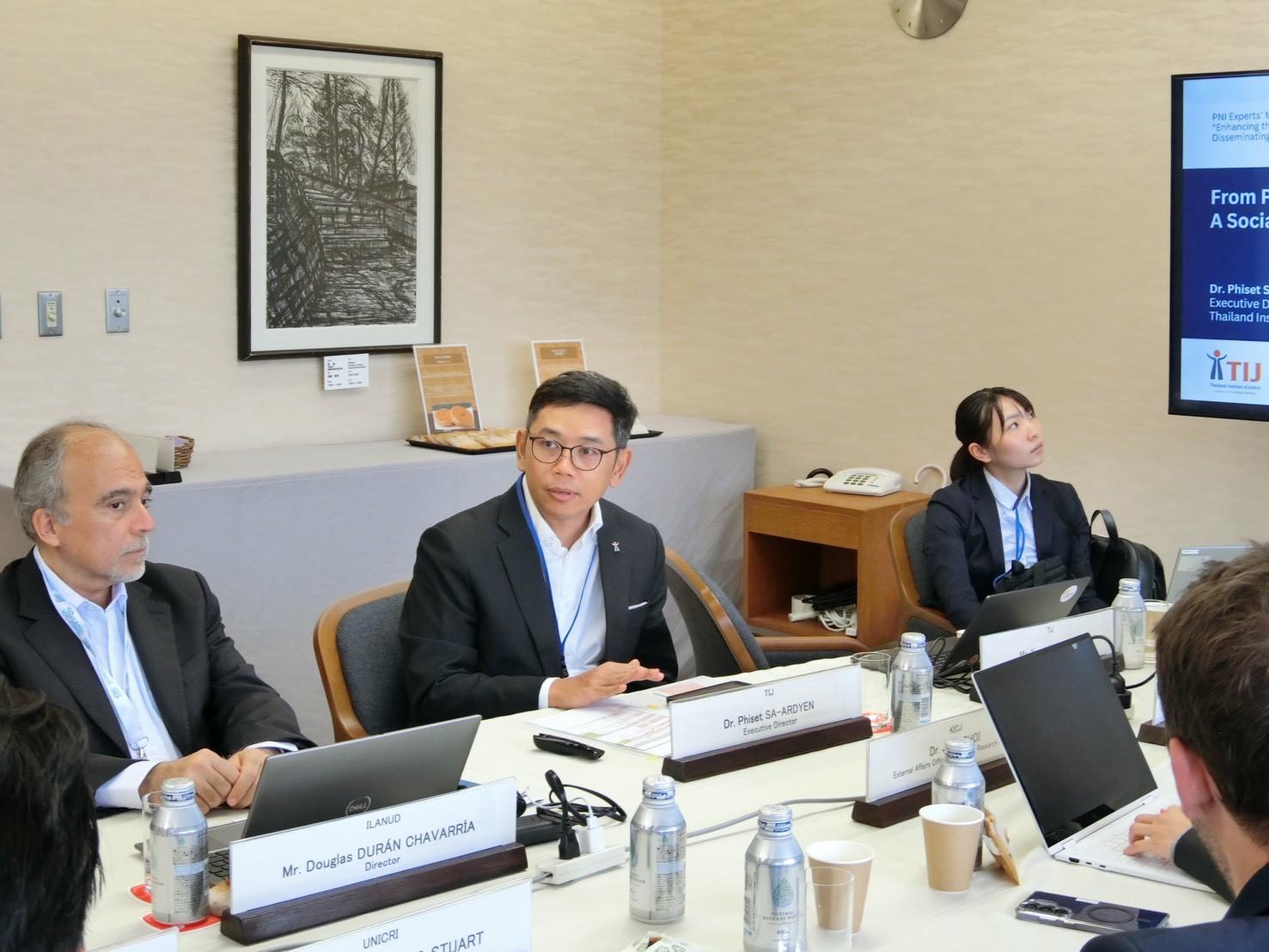
In addition, TIJ joined the PNI Experts’ Meeting on Reducing Reoffending, titled “Enhancing the Contribution of the PNI to the Implementation of the Kyoto Model Strategies: Promoting and Disseminating the KMS by Drawing on the Respective Expertise of Each Institute,” organised by UNAFEI from 26–27 June 2026. The meeting convened PNI experts to exchange promising practices, strengthen collaboration, and identify opportunities to advance effective approaches to reducing reoffending.

At the meeting, TIJ highlighted that successful social reintegration can be reflected not only in recidivism outcomes and social return on investment, but also in participants’ strengthened resilience, confidence, and capabilities..