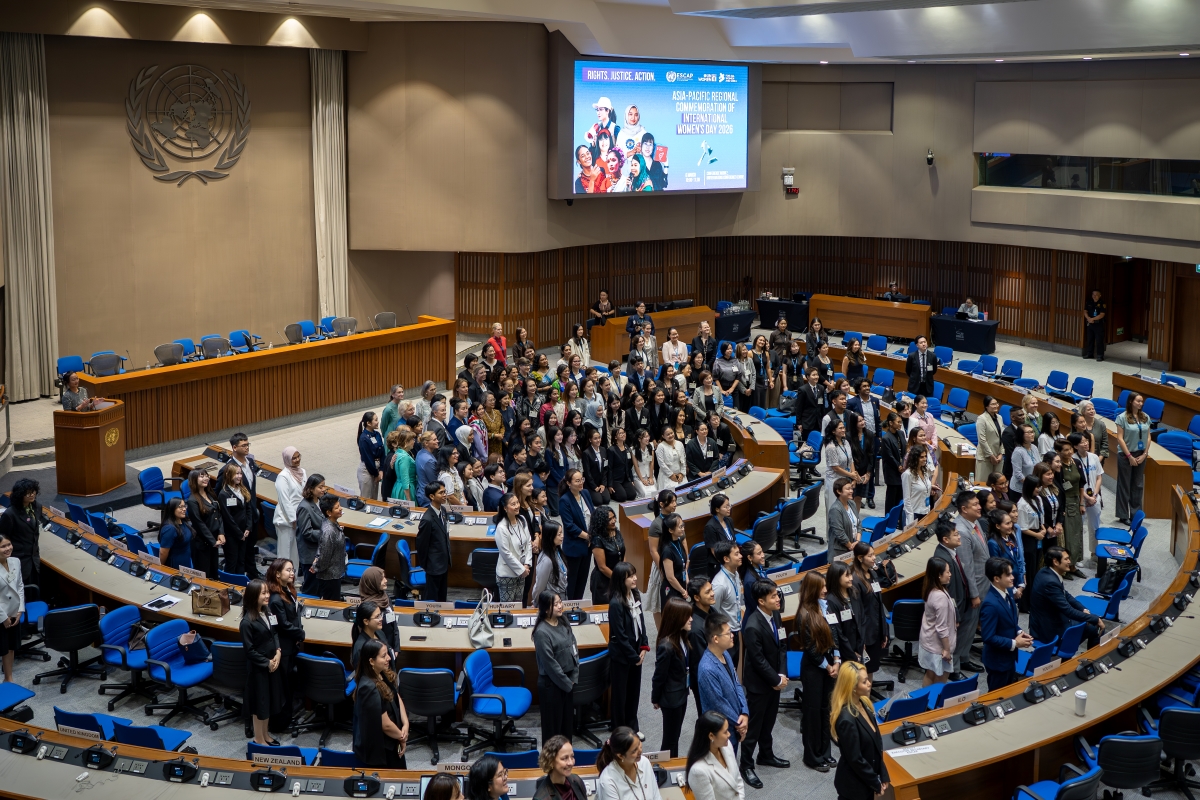





To commemorate the International Women’s Day 2026, the United Nations Economic and Social Commission for Asia and the Pacific (UNESCAP) and the United Nations Entity for Gender Equality and the Empowerment of Women (UN Women) jointly organized the Asia-Pacific Regional Commemoration of International Women's Day 2026 under the theme "Rights, Justice, Action: For All Women and Girls."
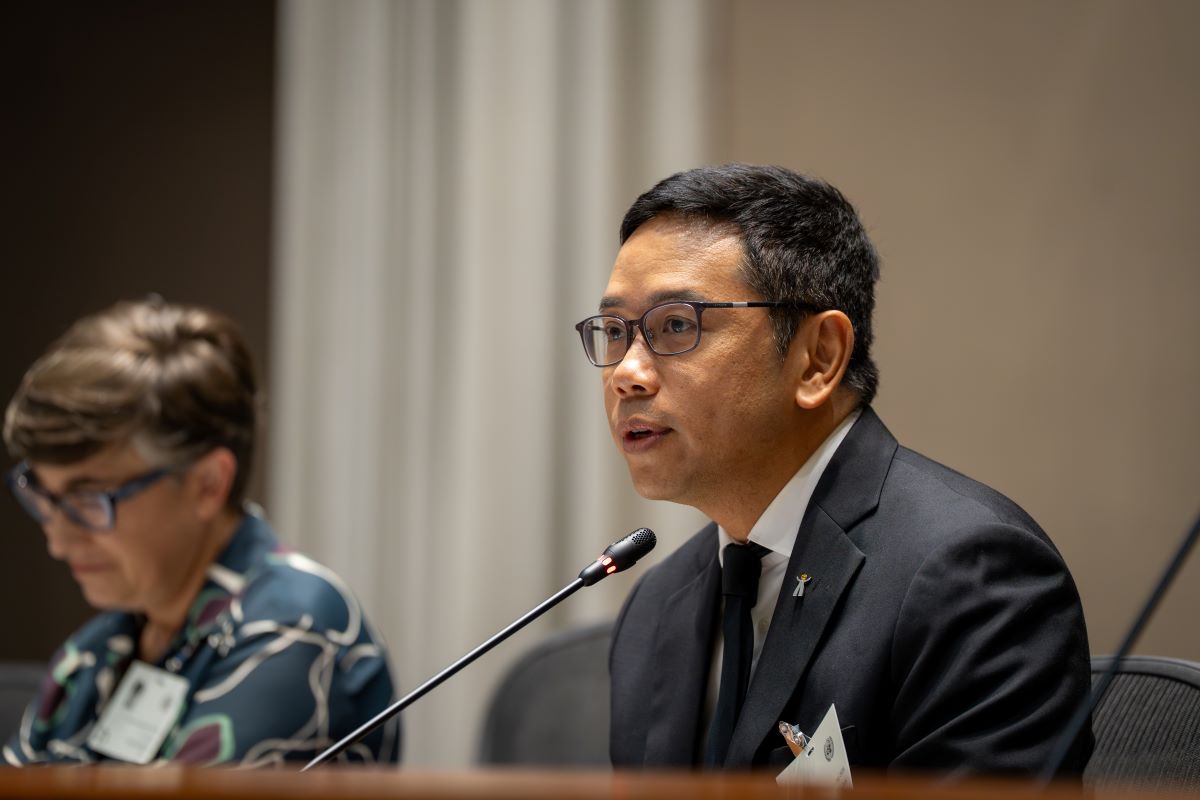
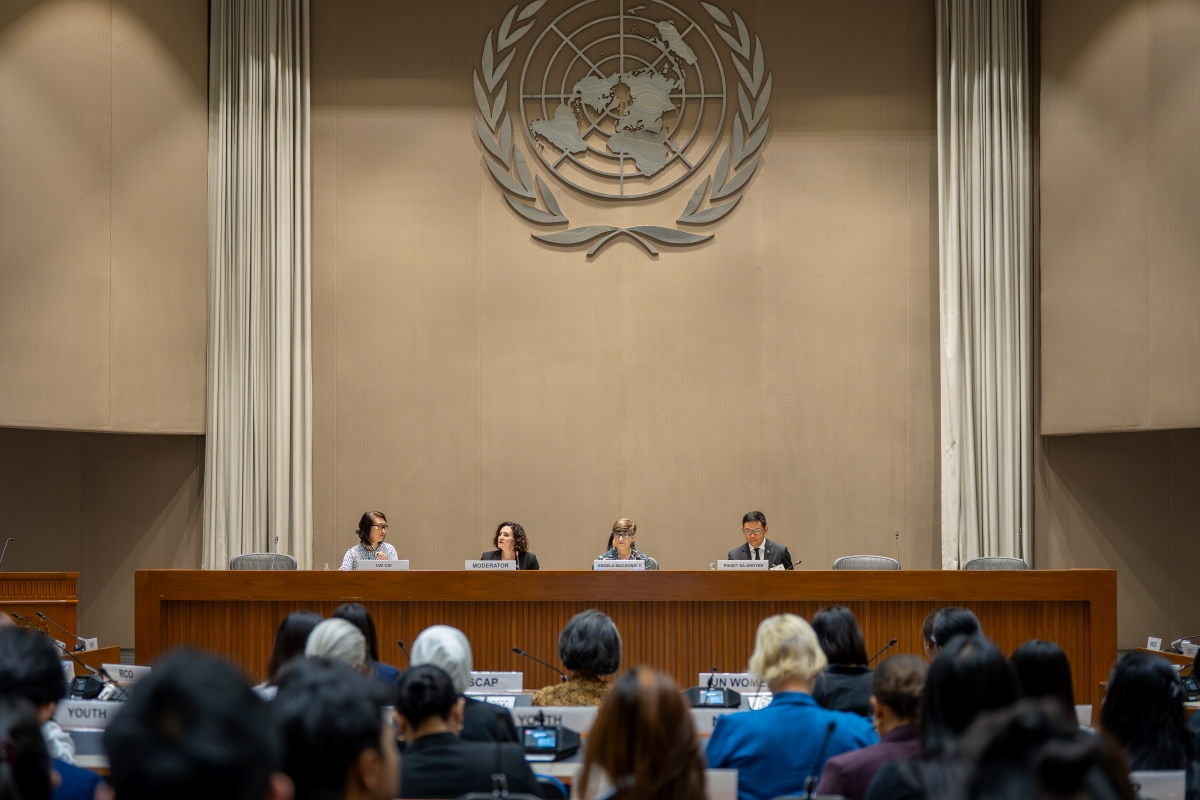
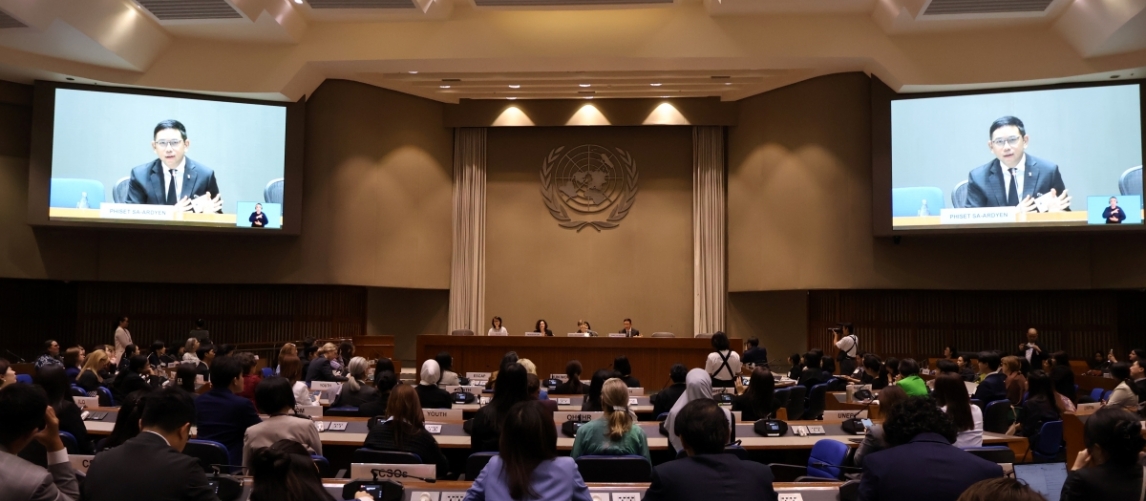
At the event, Dr. Phiset Sa-ardyen, Executive Director of the Thailand Institute of Justice (TIJ), joined as a panelist on the topic of advancing gender representation in the justice system and stressed the need for gender representation in justice system.
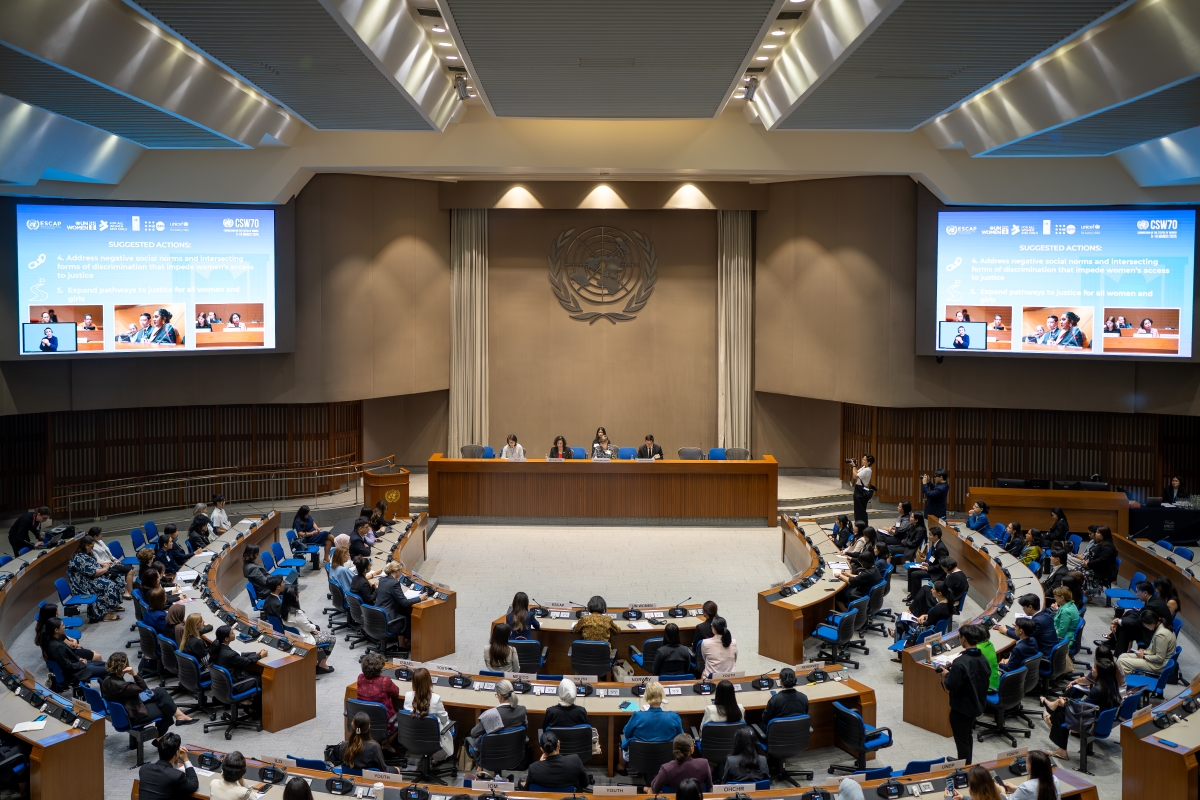
Answering the question of how to transform the institutional culture of justice systems, he cited a TIJ published study, Women as Justice Makers: Perspectives from Southeast Asia in 2016, which examined the experiences of women in the justice sector and has served as a significant benchmark for track.
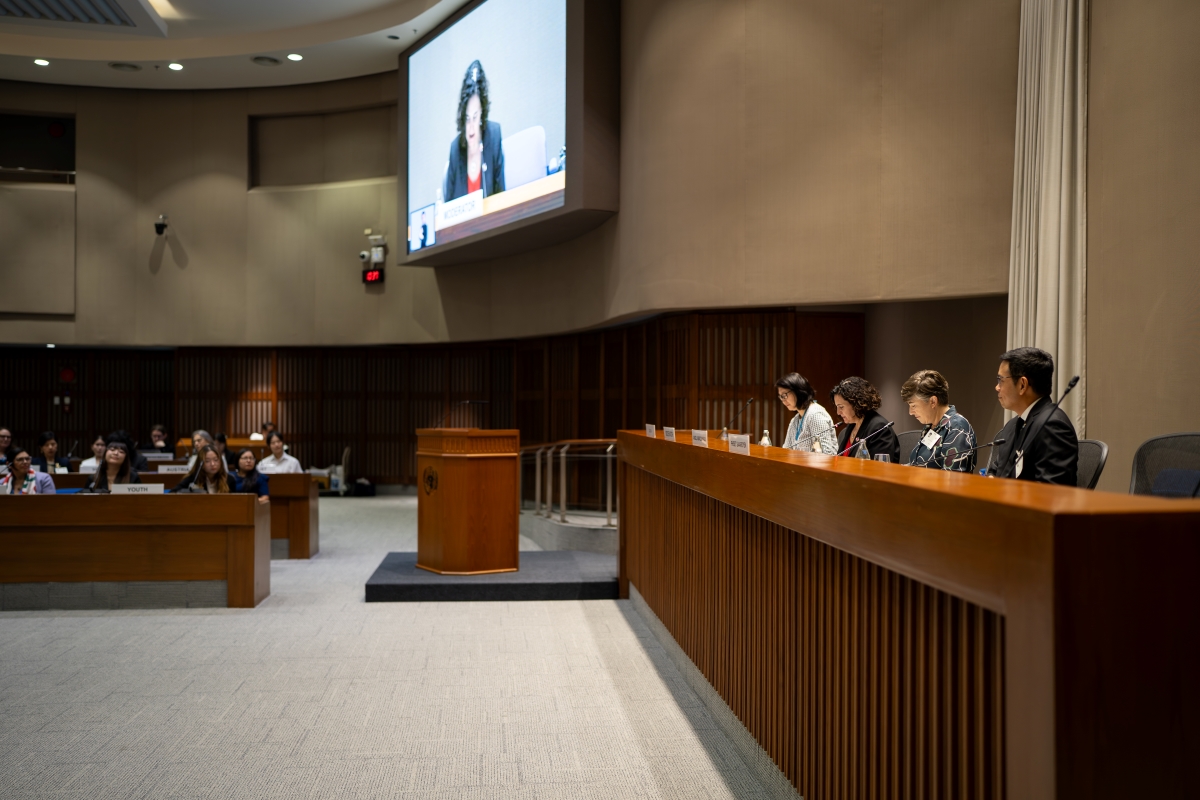
To ensure genuine change toward gender-responsive at scale, he addressed structure and mindset.
“Institutional structures are often ‘gender-blind’ in a way that creates tension and unintentional bias”, he said. Innovative tools like design thinking and strategic foresight can help us stop digging through documents and start mapping journeys to identify exactly where we need to de-bias the system.”
In addition, gender sensitivity requires more than individual goodwill or hallmark projects. There must be a collective shift in mindset. This can be possible with people-centered approach at the practical level.
He also prioritizes increasing the proportion of female law enforcement officers. The reason is that the first point of contact for women seeking justice services is crucial, and research shows that the presence of female officers is associated with improved access to justice for women.