



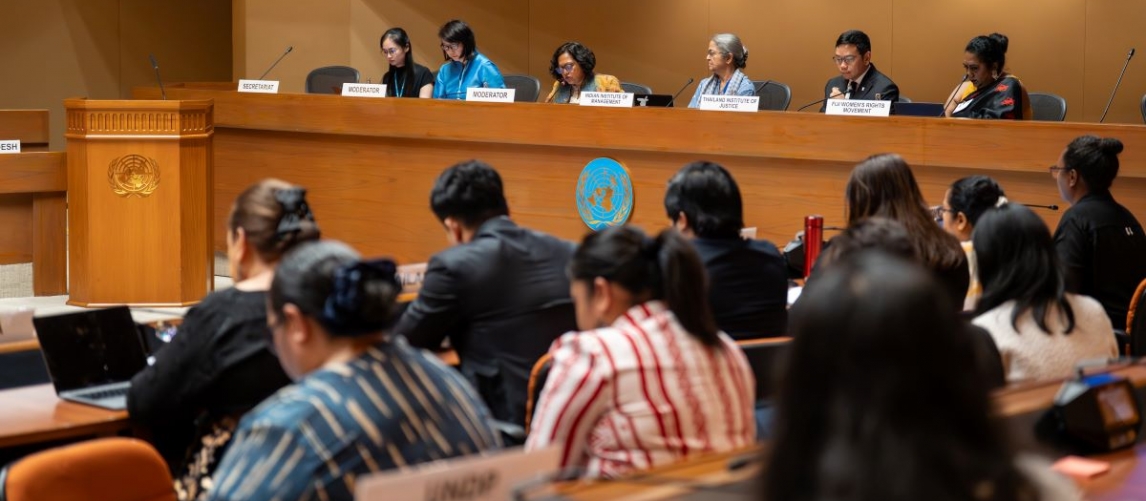


The Asia-Pacific Preparatory Meeting on the Seventieth Session of the Commission on the Status of Women (CSW 70) was held on 29–30 January 2026 at the United Nations Conference Centre in Bangkok. The meeting brought together representatives from governments, UN agencies, civil society, and experts from across the Asia–Pacific to develop regional policy recommendations under the key theme of strengthening access to justice for all women and girls.
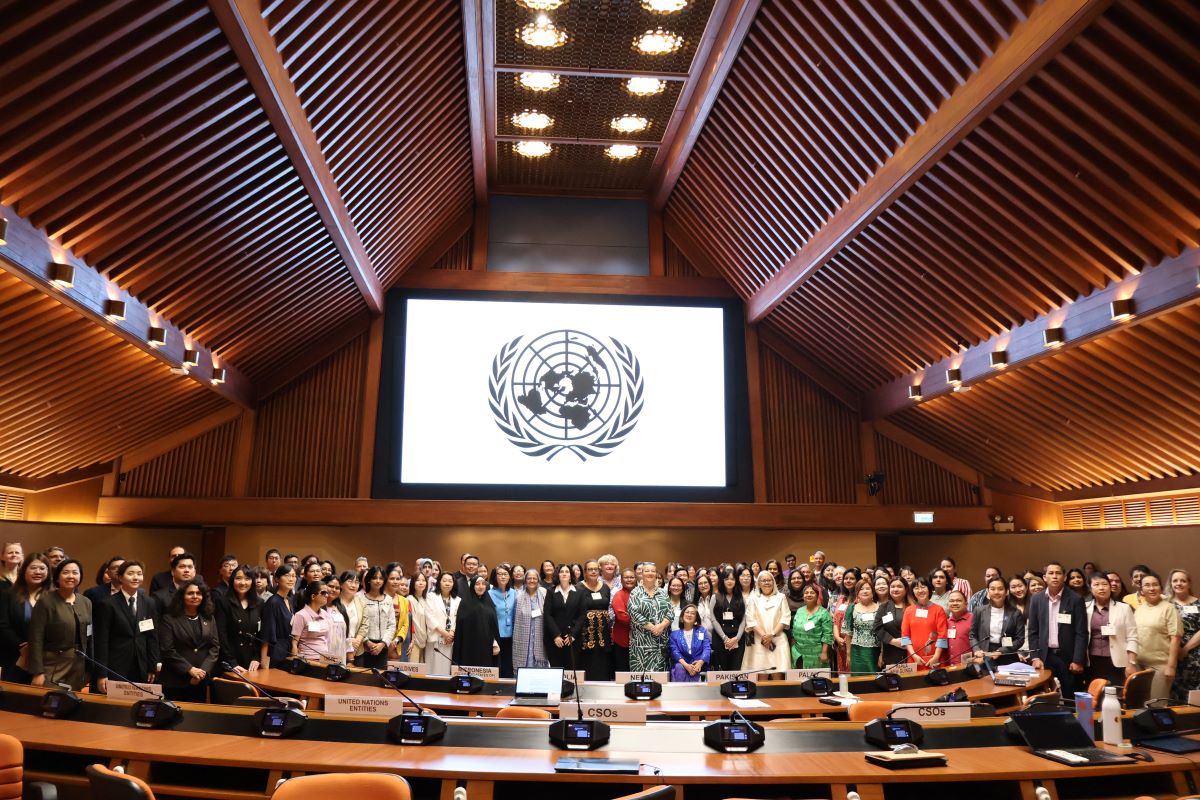
At the meeting, TIJ played a key role in sharing experiences and policy approaches on people-centered justice, aimed at developing justice systems that respond to the lived realities of women—particularly those facing vulnerability due to poverty, caregiving responsibilities, trauma, and gender-based violence.
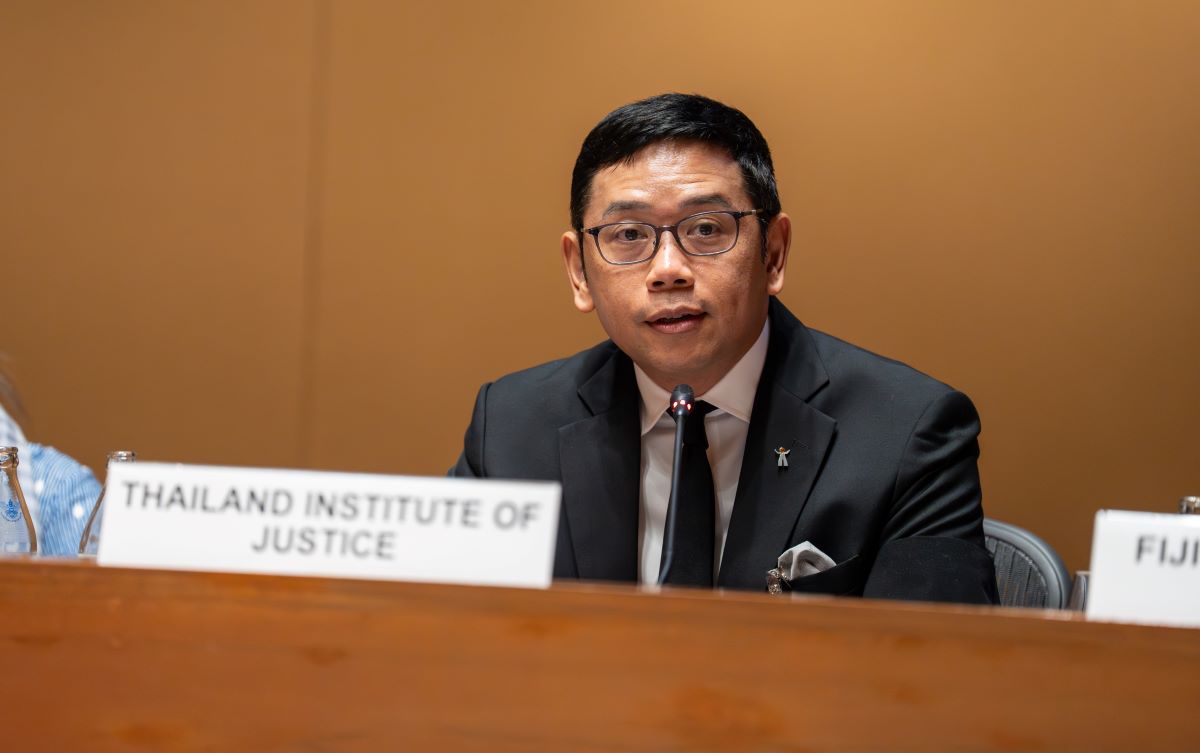
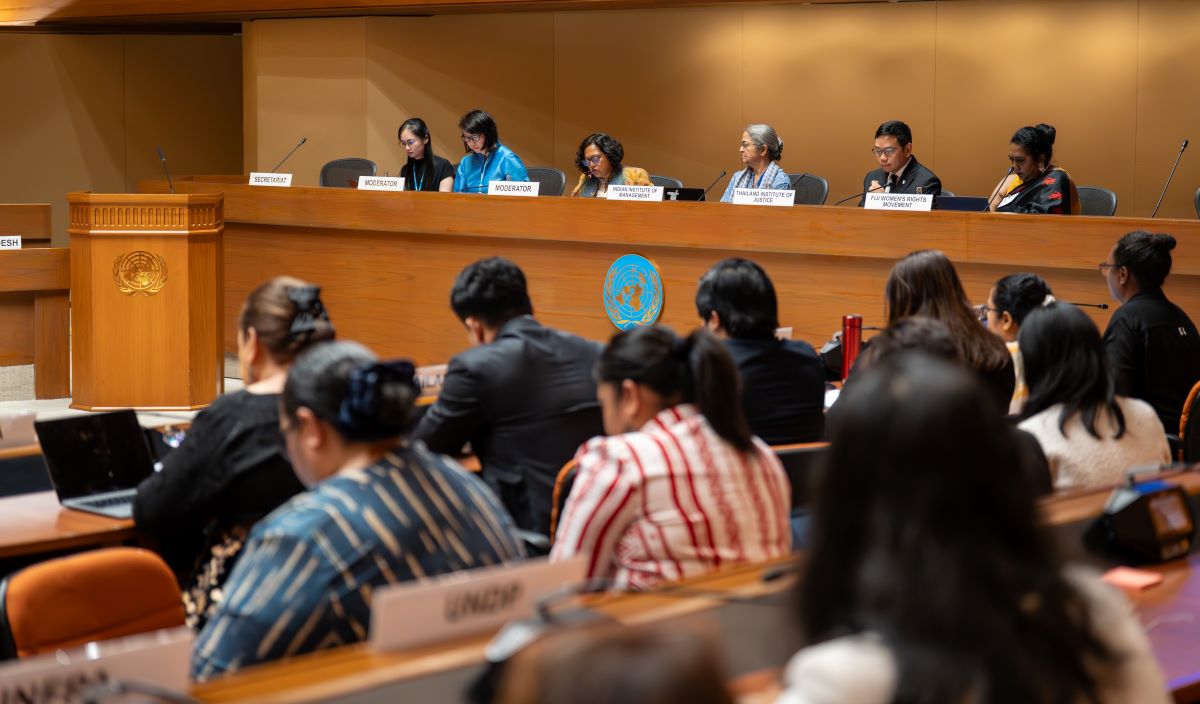
Dr. Phiset Sa-ardyen, Executive Director of TIJ, participated as a panellist in the session “Understanding Women’s and Girls’ Access to Justice in Asia and the Pacific.” He highlighted the rapid rise in the female prison population and the increasing use of pre-trial detention across the Asia–Pacific region, emphasising the urgent need to reduce unnecessary imprisonment and expand non-custodial alternatives.
During the same session, TIJ presented its Restart Academy programme, which empowers women after release through skills development and tailored reintegration support. The initiative demonstrates how people-centered justice can be translated into practice, delivers cost-effective solutions and generates sustainable social and economic impact.
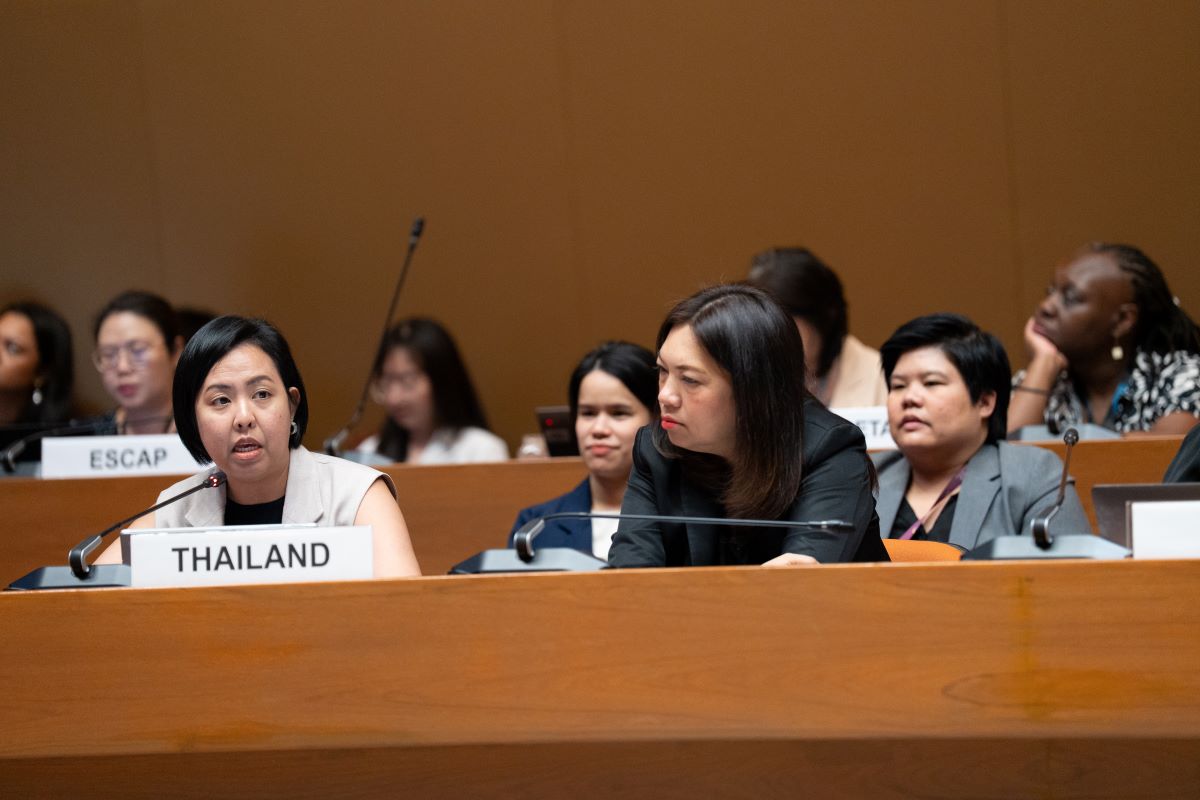
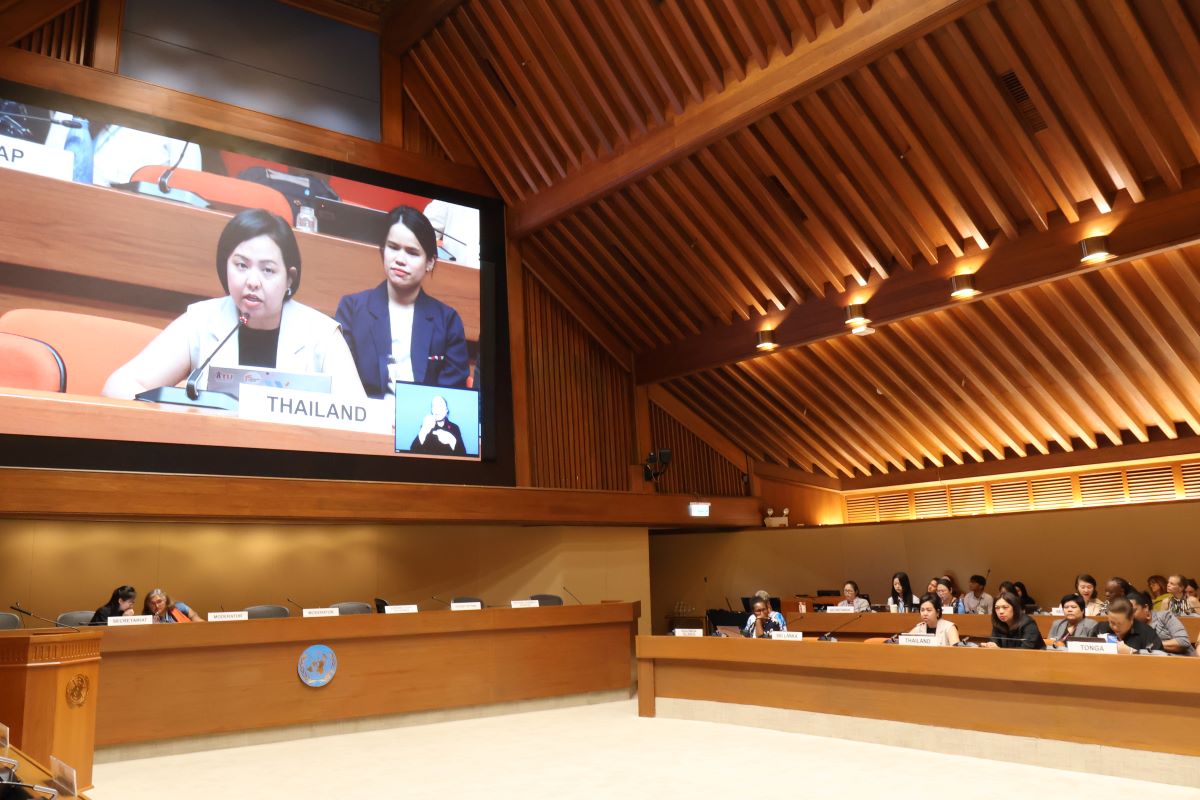
In addition, Ms. Chontit Chuenurah, Director of the Office for the Bangkok Rules and Treatment of Offenders at TIJ, delivered a statement to the meeting, noting that punitive laws and policies disproportionately affect certain groups of women, including indigenous women, ethnic minorities, LGBTI individuals, foreign nationals, older women, and women with mental health conditions. She emphasized the need to review discriminatory criminal laws, reduce the use of imprisonment, and expand alternatives and community-based solutions for women, in line with the Bangkok Rules and CEDAW.
TIJ’s participation in this regional forum reinforces Thailand’s role in advancing the agenda on women’s access to justice, translating international commitments under CEDAW, the Beijing Platform for Action, and the 2030 Agenda for Sustainable Development into concrete and actionable outcomes.


