



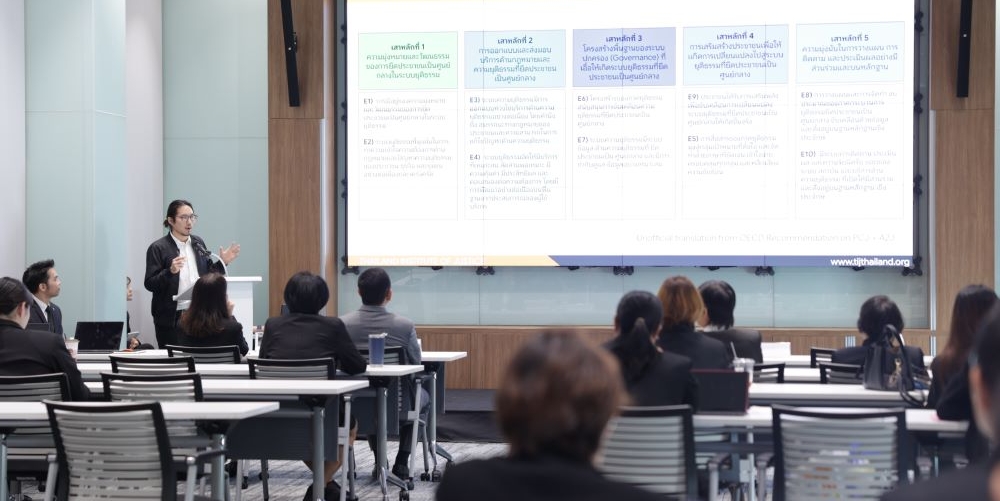


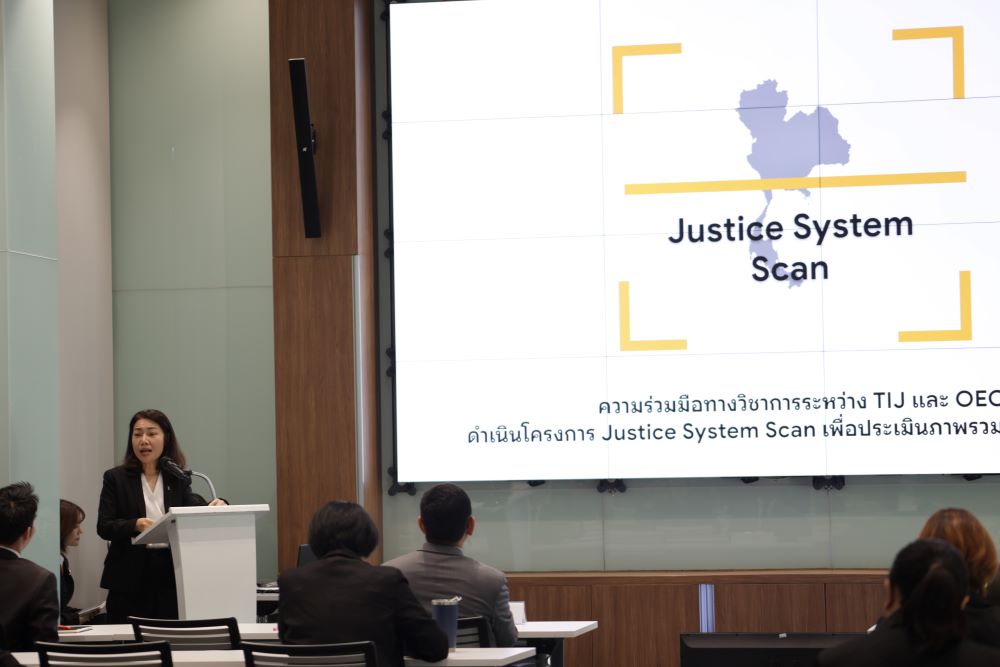
On March 9, 2026, the Thailand Institute of Justice (TIJ) gathered representatives from 20 government agencies for a substantive discussion about the state of justice in Thailand. The Justice System Scan workshop used OECD's People-Centered Justice survey as a lens to examine how well, or how poorly, the system is actually serving Thai people.
The event is part of a broader collaboration between TIJ and OECD as Thailand works toward OECD membership by 2030. But beyond the diplomatic milestone, the work is driven by a more urgent concern.
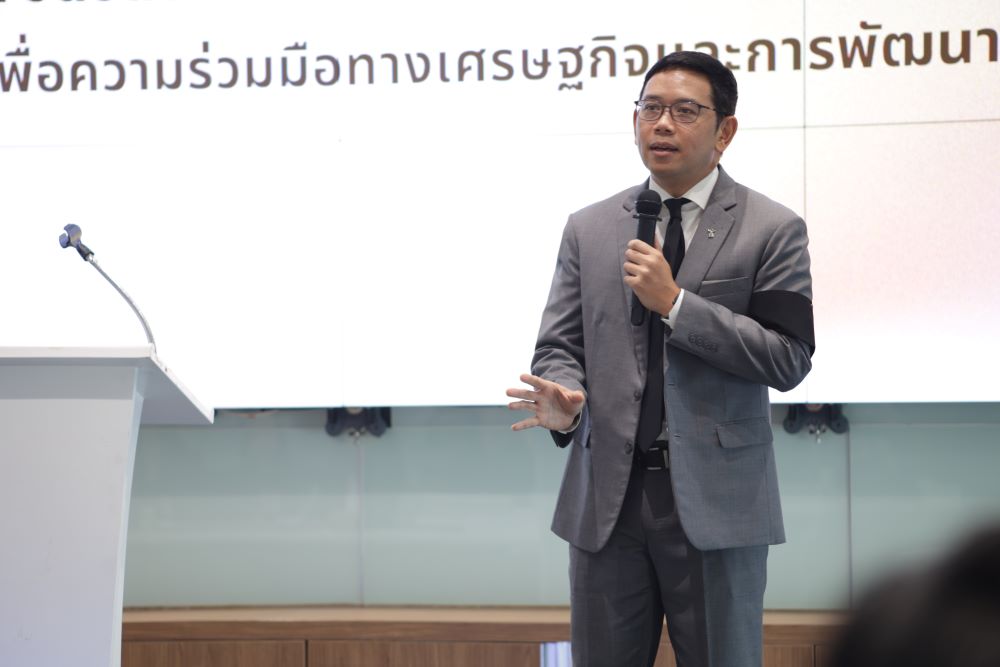
At the opening ceremony, Dr. Phiset Sa-ardyen, the TIJ Executive Director delivered that the justice system, as it stands, isn't working for most people. OECD research shows that only 1 in 3 people worldwide can genuinely access justice, and Thailand is no exception. The system is seen as slow, expensive, and hard to navigate. So instead of turning to courts or legal institutions, people turn to social media, hoping public pressure will get them the help the system couldn't.
That, Dr. Phiset argued, is a crisis of trust and it needs to change.
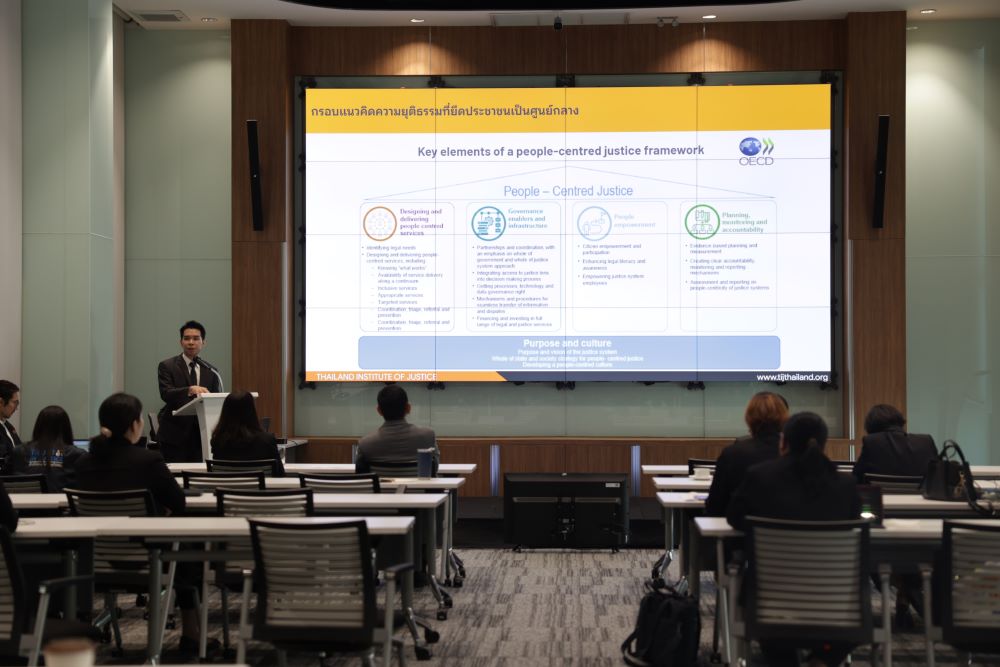
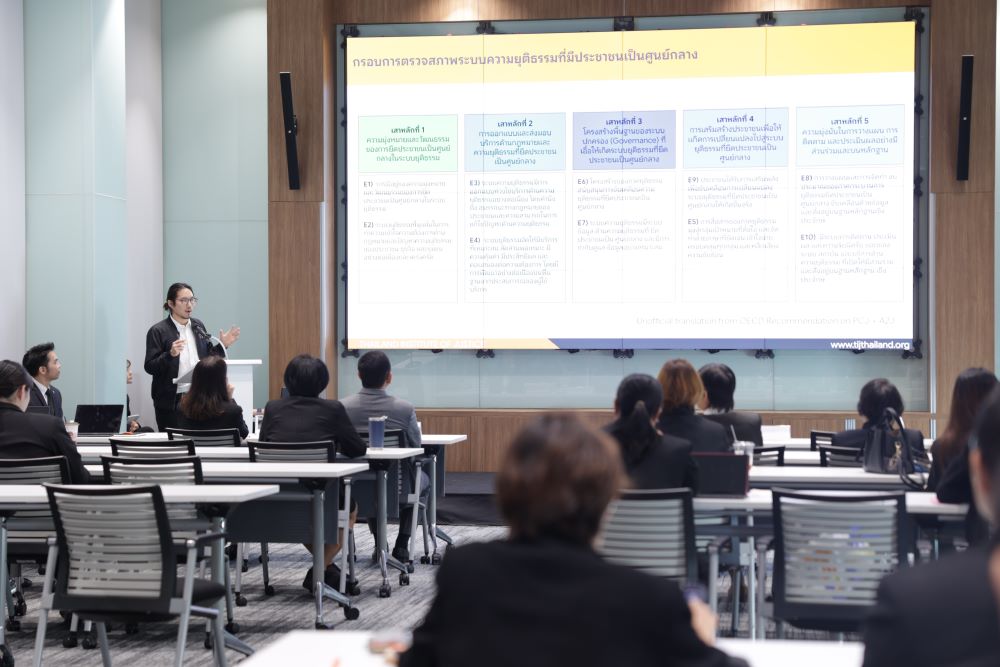
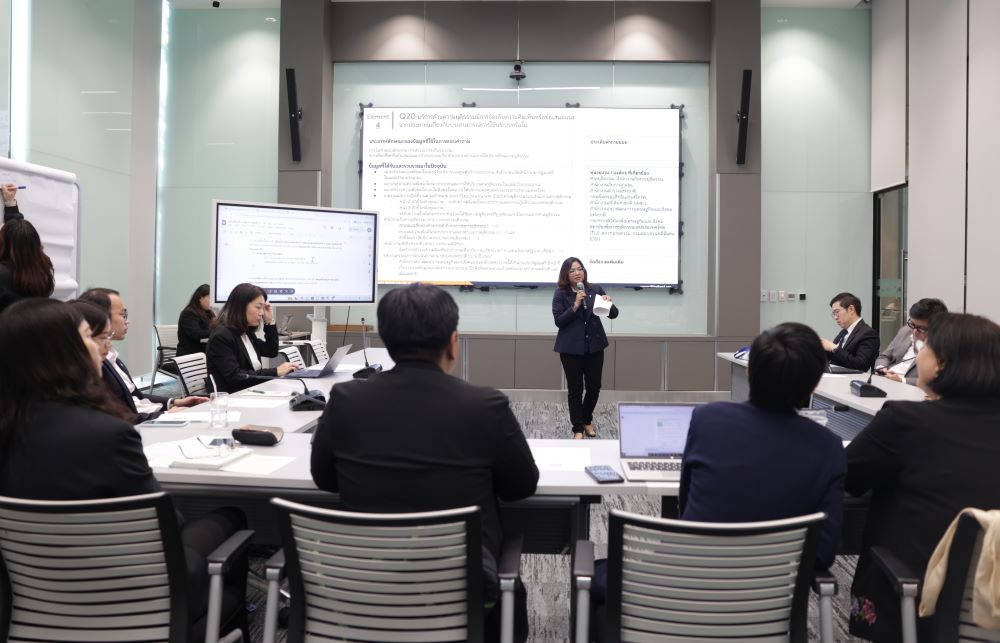
The workshop dug into four areas: how policy and resources are structured, how data shapes services, how accessible those services actually are, and how different parts of society can work together better.
TIJ will send its findings to OECD by April 2026. From there, OECD will conduct deeper interviews before presenting conclusions at the 2027 OECD Global Roundtable, an event Thailand itself will host.


